Our Priorities
OPHI works across four strategic areas, each chosen for its power to create ripple effects across community health. Together they reflect our belief that lasting health requires economic opportunity, thriving systems, healthy environments, and strong community organizations.
STRATEGIC AREAS
Economic Development
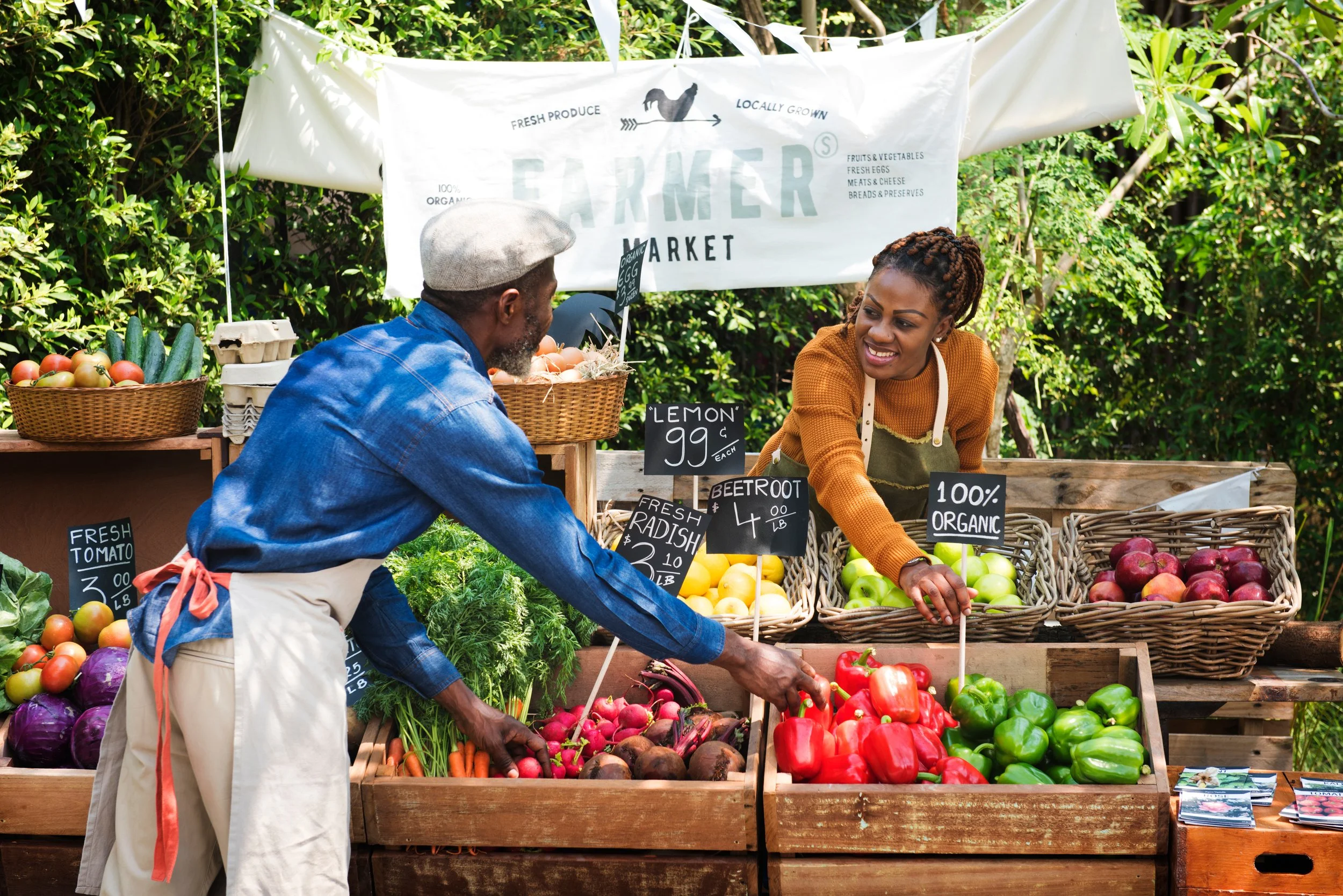
Economic opportunity and community health go hand-in-hand. When all people have meaningful work, good wages, quality childcare, and real pathways to family and community wealth, local economies grow stronger and communities grow healthier. At OPHI, we advance community health by strengthening the care economy, with a particular focus on childcare. When we invest in childcare, we create a wellbeing ripple effect that reaches children, families, employers, and whole communities.
In practice, this looks like working to increase the overall supply of childcare in Oregon, so more families have the stable employment that comes with reliable care for their children. It looks like supporting childcare providers who serve low-income children through programs like Right From the Start, helping them strengthen their businesses, improve care quality, and build their identity as entrepreneurs. It looks like delivering curricula and training on early childhood development and kindergarten readiness, so children are prepared to thrive when they enter school. And it looks like helping providers develop the financial management skills to translate successful businesses into intergenerational wealth for their own families.
Thriving Health Ecosystem
Like any ecosystem, a health ecosystem needs the right mix of contributors to thrive. Each plays an essential role, depends on the others to play theirs, and adds to collective wellbeing. OPHI works with system-level partners to cultivate that ecosystem. Centering communities as experts on what they need to thrive, we help public, private, and community partners show up where they are most needed and most effective, and develop the relationships, trust, and systems to deliver it together.
In practice, this looks like expanding Oregon Emergency Medical Services' role in the public health ecosystem to get life-saving medications to people struggling with substance use disorder, deploying over 600 staff to West Coast health departments during COVID-19, and helping Oregon Health Authority build grantmaking infrastructure that works for the CBOs communities depend on. In each case, OPHI's role is to help the ecosystem work — building the relationships, shared understanding, and operational capacity that allow partners to deliver together what none could deliver alone.

Photo by Camilo Jimenez, Unsplash
Healthy Environments
People need clean air, clean water, safe soil, and a connection to the natural world to be healthy. But health cannot be extracted from the environment. It has to be cultivated alongside it. OPHI works to ensure that policy decisions, resource investments, and our programming are rooted in that reciprocal relationship and responsive to community needs.
In practice, this looks like getting deep energy retrofits into in-home childcare settings, improving indoor air quality, safety, and working conditions for providers and the children in their care. It looks like helping communities plant gardens, build new greenspace, and access the parks and trails in their own backyards more easily, and educating providers about environmental health through a new partnership with Oregon Health Authority. And it looks like convening partners from healthcare and conservation to identify shared goals and build pathways to deeper collaboration.

Community Capacity
Real community impact requires both resources and the organizational capacity to use them well. OPHI believes that the organizations closest to communities are best positioned to design and deliver solutions, and we work to ensure that every project we support also builds the organizational foundation that allows them to keep delivering on their mission long term.
As a funding intermediary, we work between funders and community organizations to make public and philanthropic resources more accessible, more effective, and more responsive to community needs. We guide funders to invest not just in projects, but in their relationships with grantees and the sustainability of those organizations.
We also work directly with community organizations to build their capacity to grow their impact. This looks like helping CBOs assess whether and how public funding fits their mission, and supporting the organizational growth and systems they need to successfully pursue and use those resources effectively. It looks like helping community health organizations prepare to bill for Medicaid-covered services for the first time. And it looks like moving resources from Health Share, Oregon Health Authority, and other public funders directly to the community organizations doing the work.